Halloween 2025 Halloween like no other at the clinic! 🐾 This year, the Archambault & Morton team has transformed itself into a team of... pack of Dalmatians! 🐶 That's right, for Halloween, we've put on our best costumes inspired by the movie 101 Dalmatians – and...
Palatine expanders: what are they used for and when to use them?
Palatine expanders: what are they used for and when to use them?
A small device… for big changes!
In orthodontics, some treatments begin with a step that is often unknown… but nevertheless essential: palatal expansion. The device used?
At Amortho, we like to make orthodontics more accessible, by simply explaining what happens behind each appliance. So, what is a palatal expander used for? And in what cases is it used?
WHAT IS A PALATAL EXPANDER?
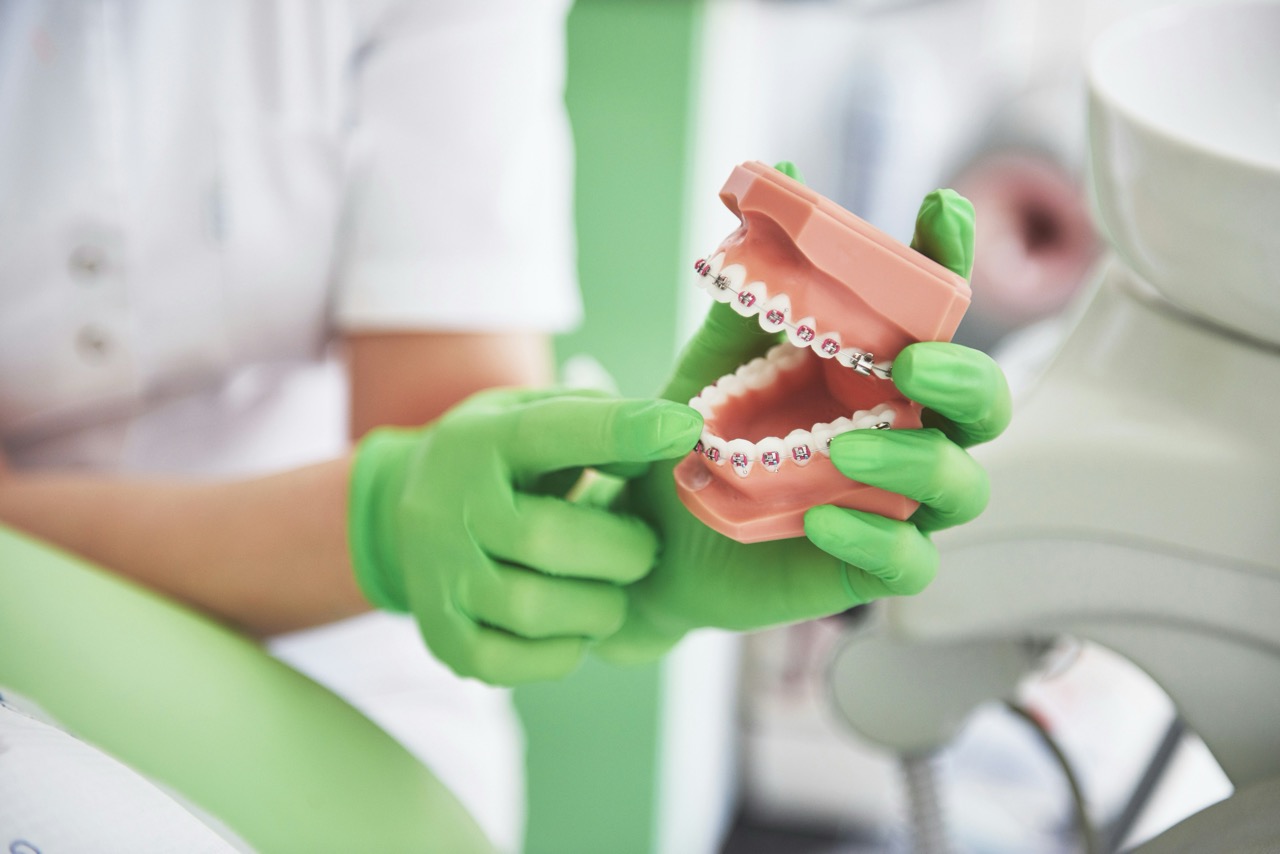
The palatal expander is an orthodontic appliance that is installed on the palate, often attached to the molars. His mission? Gradually widen the upper jaw.
It is activated with a small key, according to a precise protocol given by the orthodontist. The movement is very gentle, but as the days go by, it helps create more space in the mouth.
Why use it? To correct a lack of space, prevent or treat crowded teeth, or to improve occlusion (the way the upper and lower teeth fit together). This is often a first step before a more complete treatment with braces or other devices.
Why enlarge the palate?
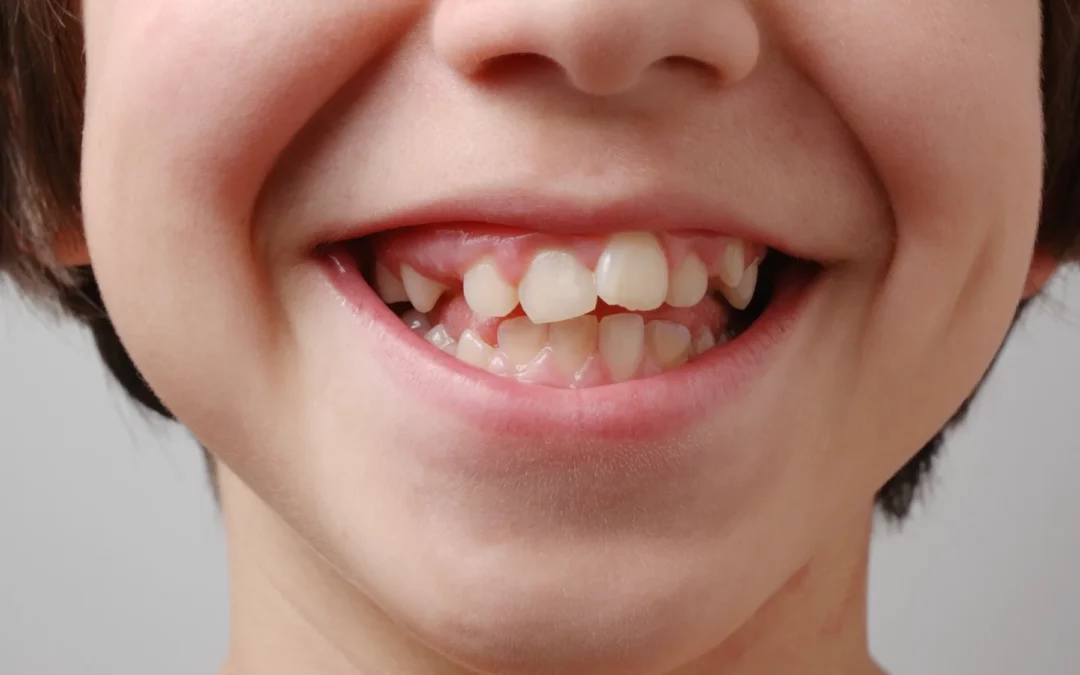
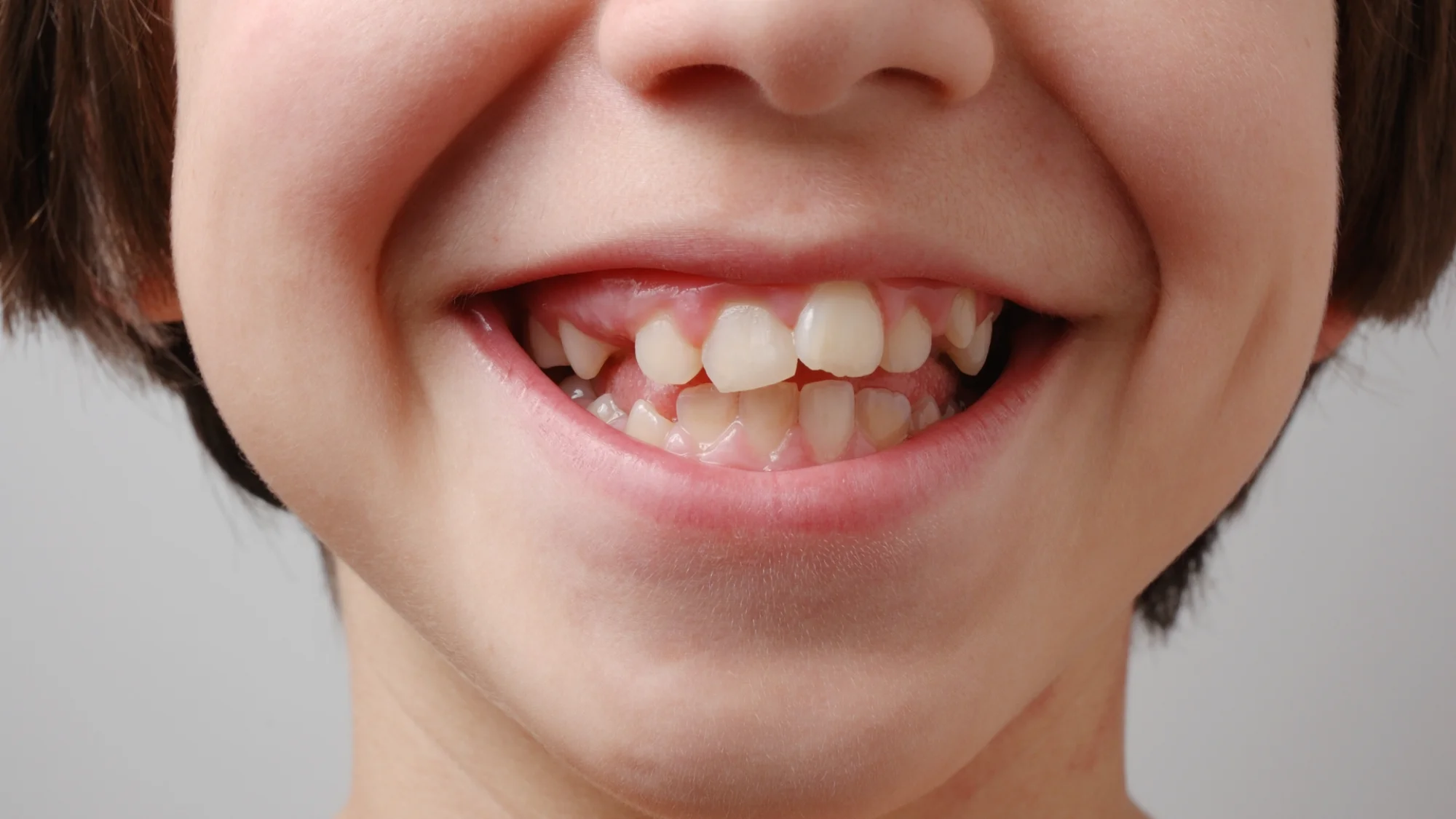
In some children, the palate is too narrow. As a result, teeth can grow crooked, lack space, or lead to a crossbite (when the upper teeth bite into the inside of the lower ones).
Palatal expansion corrects this imbalance by changing the width of the palate while the bones are still malleable. We therefore often act before adolescence, in a period when development is still very active.
At what age do you use a palatal expander?
In general, palatal expansion is recommended between the ages of 7 and 12, before the closure of the bony sutures of the palate. That’s why a first orthodontic appointment is often suggested around the age of 7 — even if no treatment is started right away.
That said, every child is unique! The orthodontist assesses the situation with X-rays, 3D scans and a detailed clinical examination.
Is it painful?
The expansion can cause slight discomfort in the first few days: feeling of pressure in the nose, palate or between the teeth. But it’s the feeling is usually painless and quick to fade.
After a few activations, the device quickly becomes a daily companion, and young patients adapt to it very well. Promised!
And after the expansion?
Once the desired enlargement has been achieved, the device often remains in place for a few months to stabilize the results. Afterwards, the orthodontist will be able to plan the rest of the treatment (braces, aligners, etc.) with a well-prepared jaw.
It’s a bit like creating the foundation before building the house: a solid foundation allows for a more stable result… and a lasting smile!
Other articles

Halloween 2025 at Archambault Morton

Crooked teeth, clenched jaw, embarrassed smile? How orthodontics can change everything
Orthodontics is often thought of as a simple way to align teeth. But behind every transformed smile, there are often stories of disturbed sleep, invisible pain or weakened self-esteem. At Archambault & Morton, our mission goes far beyond aesthetics. We support...

Everything you need to know about dental braces: types, maintenance and duration of treatment
Because a smile in motion is already a smile in progress!Thinking about braces (or have you been told about them)? You're not alone. Braces are among the most common orthodontic treatments... but also the most effective for aligning teeth, correcting a malocclusion or...