
Orthodontics for children: everything you need to know
At what age should I take an orthodontic consultation for children?
Children’s orthodontics can raise several questions for a parent. Many parents who come to the Archambault & Morton Orthodontists clinic ask themselves the question “at what age should I see my child in orthodontics?”, and hesitate to take the plunge. However, as you will see, the advantages are numerous, of Make a first appointment as much for you as for your child.
The Association of Orthodontists recommends that children receive their first orthodontic evaluation around the age of seven. At this age, possible orthodontic problems are more easily identified, even if not all the permanent teeth have yet appeared.
This early assessment is important to determine if treatment is needed and plan the ideal time to start.
The objective of this article is to enlighten you on the many advantages of an orthodontic consultation for young children. Rest assured Dr. Amy Archambault and Dr. Paul Morton are orthodontists and parents, so they understand your concerns as parents.
Even if your child doesn’t require immediate treatment, a preventive consultation can give you peace of mind, knowing that everything is under control.
How do I know if my child needs children’s orthodontics?
As a parent, it’s natural to be concerned about your child’s oral health. There are several signs that may indicate the need for orthodontic treatment for children.
Here are some key clues (or dental problems) to look out for:
- Overlapping teeth (crooked teeth): If you notice that your child’s teeth are overlapping, it may be a sign of lack of space in the mouth, requiring an orthodontic adjustment.
- Teeth grinding: Teeth grinding, especially at night, can indicate a misalignment of the teeth or jaw, which may require orthodontic correction.
- Too Large Dental Spaces : Similarly, unusually wide spaces between the teeth can be a sign that your child might benefit from orthodontics.
- Bite problems: Look for if your child’s teeth are overlapping, are excessively spaced, or if the bite appears misaligned (such as a forward, backward, or crossed bite).
- Functional Difficulties : Difficulties with chewing or speaking can be signs of an orthodontic problem.
- Early or Late Loss of Baby Teeth: Abnormal loss of baby teeth can affect the way permanent teeth emerge.
- Mouth breathing: Breathing primarily through the mouth may indicate a problem with tooth alignment or jaw.
- Your child sucks his thumb: Prolonged thumb sucking or other oral habits can also affect jaw and tooth development.
If you observe any of these signs in your child, see an orthodontist for a professional evaluation.
If you observe any of these signs in your child, see an orthodontist for a professional evaluation.
WE TAKE CARE OF YOUR FAMILY AS IF IT WERE OUR OWN!
Orthodontists Amy Archambault and Paul Morton, can provide a comprehensive evaluation and discuss the best treatment options for your child.
Make an appointment for a consultation, where we can answer all your questions and guide you to the best path for your child’s dental health .

Related Articles
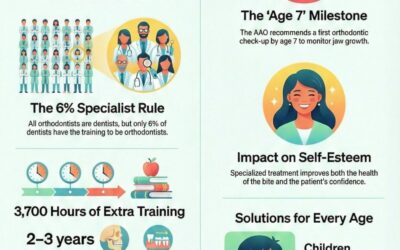
Dentist or Orthodontist: What’s the difference?
Dentist or Orthodontist: Understanding the Difference to Make Better Choices Have you ever wondered what the difference is between a dentist and an orthodontist? Although both of these professionals work in the field of oral health, their roles and expertise are very...
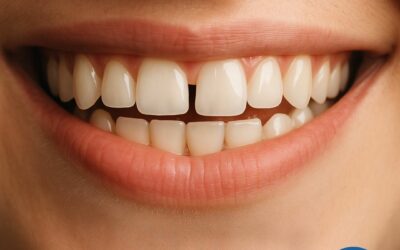
Dental Diastema: Causes and Treatments
What is a dental diastema? Do you have a small gap between your two front teeth? Have you ever wondered if this is something to be corrected, or on the contrary, a character trait to keep? The dental diastema, this gap that divides as much as it fascinates, deserves a...

Dental Aligners (Price Everything You Need to Know)
Dental aligners: prices, options and advice to make a good choice Have you ever found yourself smiling in front of your mirror and telling yourself that a small adjustment would make all the difference? You're not alone. Every year, thousands of people dream of...