Dental Diastema: Causes and Treatments

Dental Diastema: Causes and Treatments

Dental Diastema: Causes and Treatments

What is a dental diastema? Do you have a small gap between your two front teeth? Have you ever wondered if this is something to be corrected, or on the contrary, a character trait to keep? The dental diastema, this gap that divides as much as it fascinates, deserves a little attention. Because yes, there’s a lot to be said about those few millimeters that make all the difference in a smile.

What is a dental diastema, exactly?

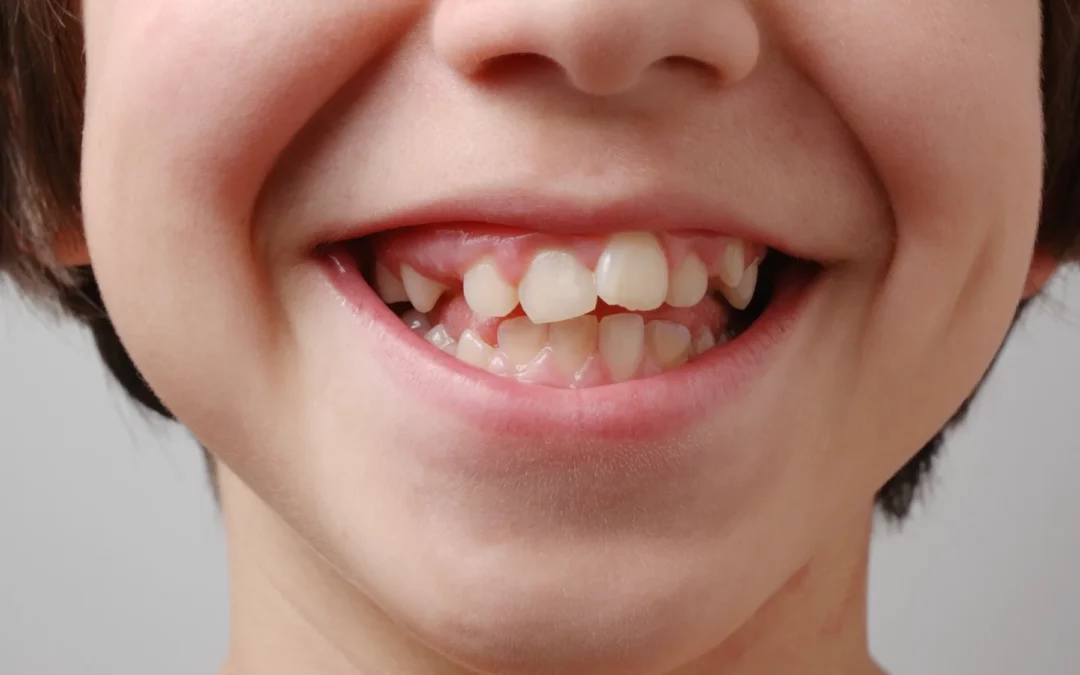
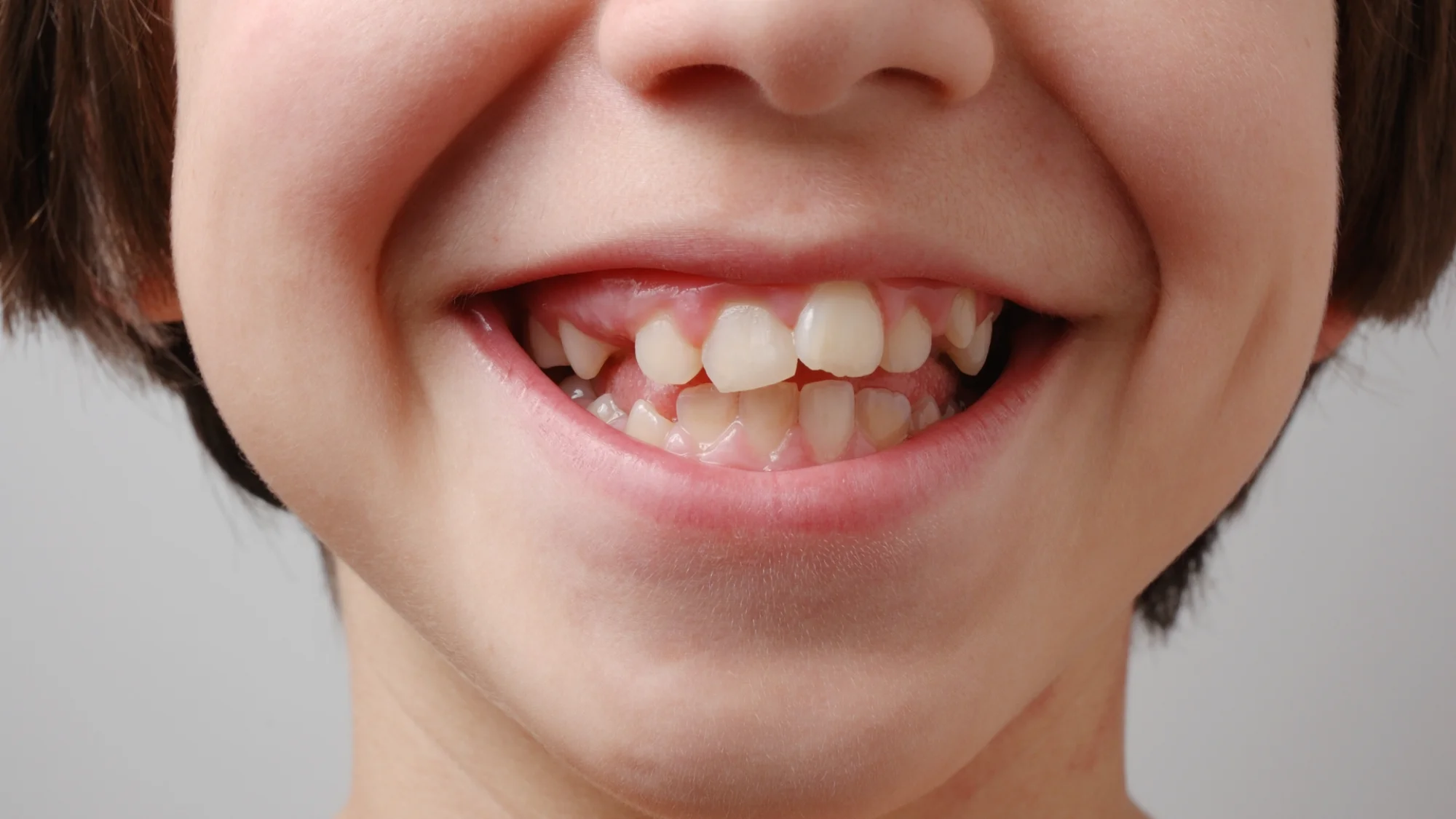
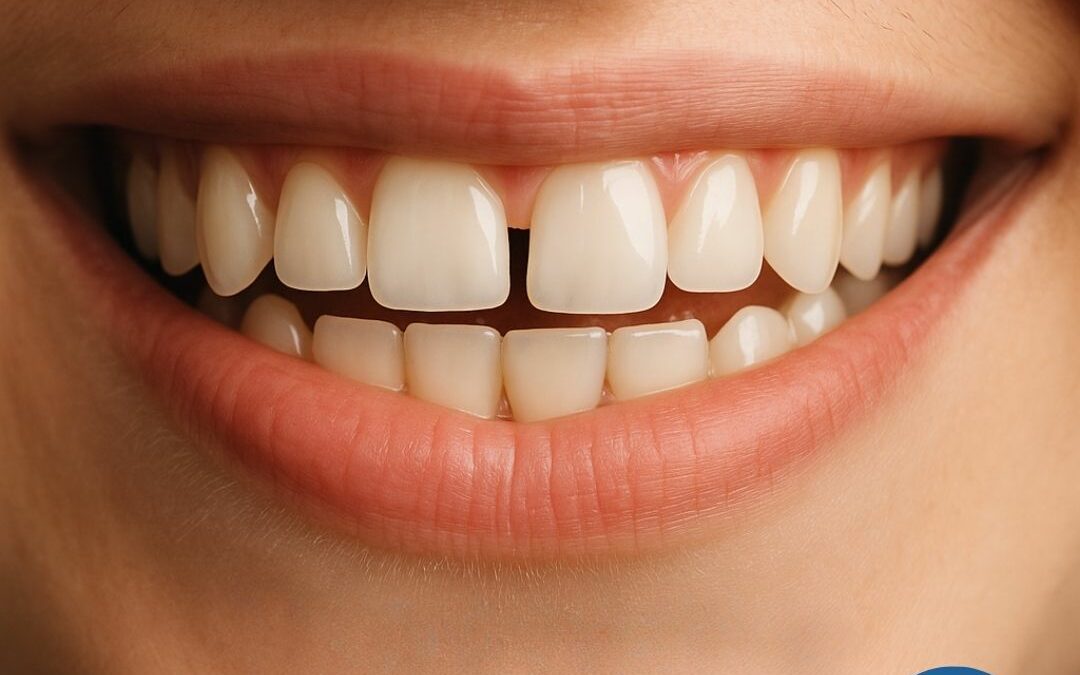
A dental diastema refers to a visible gap between two teeth, most often between the upper incisors (those two large front teeth). It can affect both children and adults, and contrary to what you might think, it is rather common.

Think of some celebrities such as Vanessa Paradis, Lauren Hutton or Brigitte Bardot. Their diastema has become a real signature, a distinctive element of their charm. For other people, this gap is more of a source of complex. It’s a really personal feeling.

The size of the diastema varies greatly from person to person. Some have a barely noticeable gap, such as a thin line between the teeth. Others display a space of several millimeters, perfectly visible when they smile. There is no standard here, just natural variations.

What is interesting is that the diastema does not always appear at the same time in life. Some children are born with it (or develop it with their first teeth), while others see it appear in adolescence or even adulthood. The reasons? There are many of them.

Where does this small gap between the teeth come from?

Diastema can have several origins, and understanding the cause in your specific case is essential if you are considering treatment.

Genetics often play a major role. If your parents or grandparents had a diastema, there’s a good chance you’ll develop one too. It’s a bit like inheriting the color of their eyes or their figure. Your bone structure, the size of your teeth in relation to your jaw, all of this is transmitted.

Missing teeth can create a domino effect. When one or more teeth are missing (congenitally or following an extraction), the adjacent teeth tend to move to fill the gap. This gradual movement can create or enlarge a diastema elsewhere in the mouth.

Lingual thrust is a factor that is often underestimated. Some people have the habit of pushing their tongue against their front teeth when swallowing or talking. In the long term, this constant pressure can cause the teeth to spread apart. It’s a bit like pushing a door gently but continuously; she ends up moving.

Lip tie can also be involved. This is that small piece of tissue that connects your upper lip to your gums, just above the front teeth. In some people, this frenulum is too thick or too long, which naturally creates a gap between the incisors. Look in the mirror; you can easily see it.

Finally, the oral habits of childhood sometimes leave traces. Thumb sucking for years or using a pacifier for too long can change the position of the teeth. Parents know this well, but it’s not always easy to get toddlers to give up these comforting habits.

Is it really necessary to treat a DEntary diastema?

This is an excellent question, and the answer is far from automatic. Not always. In fact, some people deliberately choose to keep their gap as an integral part of their smile, their visual identity.

From a purely aesthetic point of view, it is really a matter of personal preference. If you love your diastema, it makes you unique and you feel good about it, why change it? There is no medical obligation to correct a gap between the teeth if it does not cause any functional problems.

However, in some cases, a diastema can cause problems with bite (the way your upper and lower teeth fit together). When the gap is large, it can sometimes affect chewing or create uneven wear of the teeth. These are situations where a treatment becomes more relevant from a dental point of view.

Self-esteem also comes into play, and it’s a factor that can’t be ignored. If your diastema bothers you to the point of hiding your smile in photos, putting your hand in front of your mouth when you laugh, or avoiding certain social situations, then it may be worth exploring treatment options. Your psychological well-being is as important as your dental health.

Some people also mention pronunciation problems. A very pronounced diastema can actually affect the way certain sounds are produced, especially the “s” and “t”. If you’ve noticed a slight lisp or difficulty with certain words, it could be related.

smile with confidence at Archambault Morton orthodontist for adults
There is no age for a beautiful smile

What solutions are available to close a diastema?

If you decide to correct your diastema, you should know that there are several approaches. The choice will depend on your specific situation, budget, and preferences.

Traditional brooches

Good old metal braces are still a very effective option. They allow the teeth to be gradually moved to close the gap, while correcting any other alignment problems. Treatment usually lasts between 12 and 24 months, depending on the complexity of your case.

The advantage? They work for virtually all types of diastema, even the most important ones. The small disadvantage? Their visibility, even if many adults perfectly assume their temporary metallic smile.

Clear aligners (Invisalign type)

This is the preferred solution for many adults. These invisible aligners do the same job as traditional braces, but in a much more discreet way. You change your aligner every one to two weeks, and gradually, your teeth come together.

The immense advantage of clear aligners is their removability. You can remove them to eat, for a special occasion, or to brush your teeth. But be careful, you need discipline; For the treatment to work, you need to wear them for at least 20 hours a day.

Bonding

For mild diastemas, dental bonding can be a quick and cost-effective solution. The dentist applies a tooth-colored composite resin to the inner sides of your incisors, giving the illusion that the gap is filled. It’s like an artistic touch-up right in your mouth.

The process usually takes a single visit, and the results are immediate. On the other hand, this solution is purely aesthetic; It doesn’t actually move your teeth. The resin can also stain over time (coffee, tea, red wine) and require periodic touch-ups.

Dental veneers

Veneers are thin shells of porcelain or composite that cover the visible side of your teeth. They help hide the diastema while improving the shape, color, and overall appearance of your smile.

It is a more permanent and expensive solution than gluing, but the results are spectacular. Porcelain veneers, in particular, are very resistant to stains and can last 10 to 15 years with proper maintenance.

Lip frenulum surgery (frenectomy)

If your diastema is caused by a labial frenulum that is too thick or too long, a small surgery may be necessary. Frenectomy involves cutting or reshaping this piece of tissue to allow the teeth to come together naturally.

It is usually a simple procedure that is done under local anesthesia. Often, this surgery is combined with orthodontic treatment to achieve the best possible results.


How much does it cost to correct a diastema?

Let’s talk about numbers, because that’s often what influences the final decision. The price depends a lot on the method chosen.

For a complete orthodontic treatment (traditional braces or Invisalign aligners), expect to pay between $3,000 and $8,000. The range is wide because several factors come into play: the duration of treatment, the complexity of your case, the region where you live, and the expertise of the professional.

Dental bonding is much more affordable. Expect to pay between $300 and $600 per tooth, sometimes less depending on the clinic. For a diastema involving two incisors, you could therefore get away with $600 to $1,200. This is clearly the most economical option.

Dental veneers are a larger investment. A veneer usually costs between $800 and $2,500 depending on the material (composite or porcelain) and the dentist. To correct a diastema, you’ll need at least two facets, so budget between $1,600 and $5,000.

Frenectomy, if necessary, typically costs between $200 and $500. Often, this procedure is at least partially covered by dental insurance if it is deemed medically necessary.

It is important to note that these prices are average estimates for Canada. Rates can vary greatly from region to region, and even from clinic to clinic within the same city.

And what about insurance?

This is the question that everyone is asking. Does dental insurance cover the correction of a diastema? The answer is… That depends.

If the diastema causes functional problems (chewing difficulties, speech problems, gum problems), there is a good chance that part of the treatment will be covered. Insurance companies then consider it to be a medical need rather than a purely cosmetic one.

For orthodontic treatment, many insurance policies include coverage that typically ranges from 50% to 80% of the cost, up to a lifetime maximum of $1,500 to $3,000. Some enterprise plans offer higher maximums.

On the other hand, if the correction is purely aesthetic, insurance rarely covers the costs. Veneers and dental bonding often fall into this category.

My advice? Call your insurance company before you start anything. Ask specifically if the correction of a diastema is covered in your situation. Also ask the dentist to provide a pre-authorization or a detailed treatment plan to submit to your insurer. It avoids unpleasant surprises.

Are there any risks in not treating a diastema?

In some cases, the gap can become worse over time, especially if it is caused by a continuous lingual thrust or by a problematic frenulum. What starts out as a cute little space can become more pronounced over the years.

A large diastema can sometimes lead to gum health problems. The space between the teeth creates an area where food can get stuck more easily, and if the cleaning is not flawless, gum inflammation can develop.

Some people also report mild speech problems, such as a slight hissing or chirping, especially with the “s” and “t” sounds. It doesn’t happen to everyone, but when it does, it can be a source of social embarrassment.

That said, for many people, a diastema does not cause any problems in the long term. It’s simply an anatomical feature, just like having green eyes or curly hair. A professional opinion during a dental examination can determine whether your specific diastema needs attention.

The special case of children

In children, the situation is a little different. Many children have a gap between their temporary teeth (baby teeth), and this is perfectly normal. In fact, it’s actually pretty common and usually not worrisome.

In many children, the gap between the upper incisors closes naturally when the permanent teeth arrive. The permanent canine teeth, in particular, push on either side of the incisors and exert pressure that tends to bring the front teeth closer together. It’s a fascinating natural process to observe.

Orthodontists generally recommend waiting until all permanent teeth have come out before considering treatment. It usually happens around the age of 12 or 13. Intervening too early may be useless if the problem corrects itself.

However, regular follow-up with the dentist is important. If the frenulum seems to be the cause, or if the gap is widening instead of narrowing, early intervention may be recommended. Each case is unique.

How do you choose the right solution for you?

A consultation with a specialist is really the best way to find out which treatment is right for your particular situation. During this consultation, several elements will be evaluated.

The dentist or orthodontist will first look into the cause of your diastema. Is it genetic? Linked to a labial frenulum? Caused by missing teeth? The answer directly influences the type of treatment recommended.

The size of the gap also matters. A 1-millimeter diastema does not require the same approach as a 4- or 5-millimeter deviation. For small spaces, gluing or veneers may be sufficient. For larger ones, comprehensive orthodontic treatment is often preferable.

Your age and gum health also come into play. Orthodontic treatments work at any age, but the duration may be slightly longer in adults because the bones of the jaw are fully formed.

Don’t forget to discuss your budget and expectations as well. A good professional will present you with several options with their respective advantages, disadvantages and costs. You can then make an informed decision that aligns with your priorities.

Some questions I get asked a lot

Can the diastema come back after treatment? Yes, this is possible if you do not wear your retainer after orthodontic treatment. Teeth have a memory and may want to return to their original position. That’s why retention aligners are so important.

How long does the correction take? It varies enormously. A collage is done in one visit. Orthodontic treatment for a simple diastema may take 6 to 12 months, while a more complex case will require 18 to 24 months.

Is it painful? Orthodontic treatments cause some sensitivity, especially at the beginning and after adjustments, but it is usually not painful. Bonding and veneers are painless procedures. Frenectomy involves mild discomfort during healing.

Can I correct my diastema at home? No, and please don’t try. We see homemade methods with rubber bands or other tricks circulating on the internet. This is extremely dangerous and can cause irreversible damage to your teeth and gums. Always consult a professional.

Final Words

Whether you decide to correct or keep your diastema, the key is to be well-informed and comfortable with your decision. Knowing your options and consulting a professional allows you to make an informed and confident choice.

Your smile belongs to you. It tells part of your story, your personality. If you love your diastema and it makes you unique, embrace it fully. If, on the other hand, it bothers you and you want to correct it, know that effective solutions exist and are more accessible than ever.

How about we talk about it?

Every smile has its story. Maybe you’ve learned to live with this small space a long time ago. Maybe you didn’t even know that there were different options available to you.

But what if… Was there a simple, accessible, and personalized solution?

At Archambault & Morton, we take the time to properly assess your situation. We rely on a human relationship and trust. We adapt each treatment to your daily reality. We collaborate with a network of professionals for a complete follow-up.

In short, you are not just another case. You are a person, with a story, a rhythm, a goal.

Make an appointment for a free consultation and let’s explore the possibilities for your smile together. Either way, take the time to think, ask questions, and do what feels right for you. After all, it’s your smile, and it deserves your full attention.

Dentists + Orthodontist Archambault and Morton

Other articles

Dental Diastema: Causes and Treatments

Dental Diastema: Causes and Treatments

What is a dental diastema? Do you have a small gap between your two front teeth? Have you ever wondered if this is something to be corrected, or on the contrary, a character trait to keep? The dental diastema, this gap that divides as much as it fascinates, deserves a...

Dental Aligners (Price  Everything You Need to Know)

Dental Aligners (Price Everything You Need to Know)

Dental aligners: prices, options and advice to make a good choice Have you ever found yourself smiling in front of your mirror and telling yourself that a small adjustment would make all the difference? You're not alone. Every year, thousands of people dream of...

Dental Diastema: Causes and Treatments

Dental Aligners (Price Everything You Need to Know)

Dental Aligners (Price Everything You Need to Know)

Dental aligners: prices, options and advice to make a good choice

Have you ever found yourself smiling in front of your mirror and telling yourself that a small adjustment would make all the difference? You’re not alone. Every year, thousands of people dream of improving their smile, whether with metal braces or dental aligners. But be careful, before you start, there are a few things to know, especially when it comes to the price of dental aligners.

Why dental aligners are so attractive

If you’ve ever thought about straightening your teeth without wearing traditional braces, you’ve probably heard of invisible dental aligners. These small, transparent devices have revolutionized orthodontics in recent years.

What makes these dental aligners so popular is their discretion. You can wear them to work, on a date, or even during an important presentation, without anyone really noticing. A dental aligner is a bit like having a secret that works for you 24 hours a day.

But let’s be honest: it’s not just about aesthetics. Dental aligners also offer comfort but you have to be diligent, which is why for example some children (and even some teenagers) are better off with traditional braces and regular visits to the orthodontist. Imagine being able to remove your device to eat an ear of corn or bite into an apple without fear. It’s this kind of little freedom that really changes the game on a daily basis.

What exactly is a dental aligner?

A dental aligner is a clear, custom-molded brace that covers the teeth to gradually move them to the correct position. Think of it as an invisible mold that gently guides your teeth to where they should be.

The process is fascinating when you think about it. Your orthodontist takes a digital impression of your mouth, and then a specialized lab creates a series of aligners that are slightly different from each other. You change aligners every one to two weeks, and each new step brings your teeth closer to the ideal alignment. It’s a bit like a marathon in small steps, where each aligner moves you forward a millimeter towards your end goal.

The magic lies in the precision of these devices. Thanks to 3D technology and modern materials, the aligners exert millimeter-sized pressure on your teeth. Nothing is left to chance.

Why choose Dental Aligners?

Beyond the financial aspect, there are real practical reasons for the craze for dental aligners. Here are a few.

Invisibility, of course. This is the key argument. No one will notice that you are undergoing orthodontic treatment unless you say so. For working adults or for teenagers who are a little embarrassed, this is a major advantage.

The comfort is also undeniable. The aligners are made of a smooth plastic that does not irritate your cheeks or lips, unlike metal brackets that can cause small painful injuries, especially at first.

Security of tenure really changes everyday life. You can remove your aligners to eat, which means no dietary restrictions. Want to bite into an apple or enjoy popcorn at the movies? No problem. You remove your aligners, enjoy, and then put them back on after brushing your teeth.

Hygiene is simplified. With traditional braces, brushing your teeth becomes a complicated exercise that can take 10 minutes. With aligners, you simply remove them, brush your teeth normally, and rinse them before putting them back in.

Finally, fewer appointments with the orthodontist. With a fixed appliance, you should return every four to six weeks for adjustments. With aligners, follow-up visits are usually eight to ten weeks apart, because you change your aligners yourself at home according to the schedule.

How do you know if a gutter is right for you?

Here’s a simple truth: the best way to find out is to consult a professional. Every mouth is unique, and what works for your colleague may not be ideal for you.

A good orthodontist will look at your situation in detail. They will look at the condition of your teeth, your bite (how your jaws close), the health of your gums, and even the shape of your face. All of this comes into play when determining if the gutters are appropriate.

In some very complex cases, such as severe malocclusion or significant skeletal problems, traditional fixed appliances remain the best option. But honestly, with the technological advancements of the last few years, the vast majority of alignment problems can now be treated with aligners.

During your initial consultation, don’t hesitate to ask any questions you may have. How long will my treatment last? How many aligners will I need to wear? What will be the exact cost in my case? Can my condition be improved with this method? A competent professional will take the time to explain all this to you clearly.


The different types of gutters available

There are two main categories of dental aligners, and it is crucial not to confuse them because they do not have the same role (or the same price) at all.

First, invisible orthodontic aligners, such as Invisalign or ClearCorrect. These are the ones that do the heavy lifting by moving your teeth. They are worn between 20 and 22 hours a day for several months, or even more than a year depending on the complexity of your case. These invisible aligners are a real complete orthodontic treatment.

Then there are the retention gutters. These are done after the main treatment to keep your teeth in their new position. Think of it as a consolidation phase. After coming all this way to get a perfect smile, it would be a shame if your teeth decided to go back to their old position, right? The retention aligners are there to prevent precisely that.

These two types have different prices, which naturally brings us to the question that everyone is asking.

What is the real price of a dental aligner?

Let’s talk frankly about money, because it’s often the sinews of war. The cost of dental aligner treatment varies depending on several factors: the complexity of your situation, the duration of the treatment, your geographic region and the professional you choose.

In general, for a complete Invisalign treatment in Canada, we are talking about an investment between $3,000 and $8,000. Yes, that’s a pretty wide range. What for? Because someone who needs to correct a slight overlap won’t pay the same price as someone who needs a major bite correction.

You should also know that some of our clinics offer payment plans. This is a detail that can really make a difference if you are hesitant because of the initial cost. Rather than paying all at once, you can spread the payments over the duration of the treatment.

    smile with confidence at Archambault Morton orthodontist for adults
    There is no age for a beautiful smile

    The question of insurance

    The good news is that dental insurance sometimes covers part of the orthodontic treatment, including invisible aligners. However (and this is where it gets a little complicated), it all depends on your specific coverage.

    Most dental insurance policies include an “orthodontics” section that can cover between 50% and 80% of the costs, up to a lifetime maximum. This maximum usually ranges from $1,500 to $3,000, depending on your plan. Some employers even offer more generous coverage.

    Here’s a real-world example to clarify: if your treatment costs $5,000 and your insurance covers 50% up to a maximum of $2,000, you’ll receive a $2,000 reimbursement (not $2,500, as your policy’s maximum applies).

    My advice? Call your insurance company before starting treatment. Ask specific questions: What is my coverage for orthodontics? Is there an age limit? Are invisible aligners covered in the same way as traditional braces? These answers will help you avoid unpleasant surprises.

    Some quick answers to common questions

    Do gutters hurt? Not really “bad”, but you will feel pressure, especially when you change to a new aligner. It’s normal: it means that they work. This feeling usually subsides after one or two days.

    Can we eat with it? Technically yes, but it’s really not recommended. You risk staining or damaging your gutters. In addition, food residues could get stuck, creating a breeding ground for cavities. It is better to remove them to eat.

    Can they be lost? Yes, and it happens more often than you think. People wrap them in a napkin at a restaurant, then forget about it and throw it all in the trash. Or they fall into a bag without us noticing. The solution? Always store them in their case when not wearing them.

    How long a day should you wear them? Ideally, between 20 and 22 hours a day. Yes, it may seem like a lot, but it’s the secret to an effective and timely treatment. If you wear them only 14 hours a day, your treatment will take much longer and the results will be less predictable.


    Closure on dental aligners

    The price of a dental aligner depends on several factors, but the important thing is to choose a solution that suits your smile and your budget. Yes, it’s an investment. But when you think about it, it’s an investment in your self-confidence, your oral health, and ultimately, your quality of life.

    Think about it: how many times a day do you smile? How many photos of you will be taken in the next few years? Your smile is a bit like your daily business card. If you’ve always been self-conscious about your teeth, the impact of a beautiful smile can be truly transformative.

    So, if you’re still wondering, maybe it’s time to take the plunge and consult a specialist. Most clinics offer a free initial assessment. You have nothing to lose, except a few minutes of your time, and potentially everything to gain in terms of confidence and well-being.

    After all, your smile deserves the best, right?

    What sets us apart at Archambault Morton

    • We take the time to properly assess your situation.
    • We rely on a human relationship and trust.
    • We adapt each treatment to your daily reality.
    • We collaborate with a network of professionals for a complete follow-up.

    In short, you are not just another case. You are a person, with a story, a rhythm, a goal.

    How about we talk about it?

    Every smile has its story. Maybe you’ve learned to live with these little discomforts a long time ago. Maybe you didn’t even know they were related to orthodontics.

    But what if… Was there a simple, accessible, and personalized solution?

    At Archambault Morton, we’re here to talk about it. Without pressure. Just you, we… and a future with more comfort, confidence, and true smiles.

    Dentists + Orthodontist Archambault and Morton

    Other articles

    Dental Diastema: Causes and Treatments

    Dental Diastema: Causes and Treatments

    What is a dental diastema? Do you have a small gap between your two front teeth? Have you ever wondered if this is something to be corrected, or on the contrary, a character trait to keep? The dental diastema, this gap that divides as much as it fascinates, deserves a...

    Dental Aligners (Price  Everything You Need to Know)

    Dental Aligners (Price Everything You Need to Know)

    Dental aligners: prices, options and advice to make a good choice Have you ever found yourself smiling in front of your mirror and telling yourself that a small adjustment would make all the difference? You're not alone. Every year, thousands of people dream of...
    Crooked teeth, clenched jaw, embarrassed smile? How orthodontics can change everything

    Crooked teeth, clenched jaw, embarrassed smile? How orthodontics can change everything

    Crooked teeth, clenched jaw, embarrassed smile? How orthodontics can change everything

    Orthodontics is often thought of as a simple way to align teeth. But behind every transformed smile, there are often stories of disturbed sleep, invisible pain or weakened self-esteem.

    At Archambault & Morton, our mission goes far beyond aesthetics. We support each patient in a process of overall well-being. Today, we tell you about the most common orthodontic problems… and above all concrete solutions to correct them.

    There is no age for a beautiful smile

    Crooked or Wrinkled Teeth: More Than Just a Matter of Look

    What it causes:

    Overlapping teeth make oral hygiene more difficult, increasing the risk of cavities and gum disease. And of course, they can undermine confidence when it comes time to smile.

    The Archambault & Morton solution:

    Clear aligners or traditional braces allow the teeth to be realigned gradually. We help you choose what suits your lifestyle… without ever compromising efficiency.

    A smile aligned is a healthy smile.

      smile with confidence at Archambault Morton orthodontist for adults

      Jaw too narrow: when everything seems “stuck”

      What it causes:

      An upper jaw that is too narrow can cause crowded teeth, breathing problems, and even influence posture or sleep quality.

      Our approach:

      In many cases, a palatal expander is used to gently widen the palate, especially in young patients. This treatment can prevent or correct many complications before they become serious.

      Good to know: This treatment is often painless and fits very well into the family routine.

      Reverse or cross occlusion: a discreet but important imbalance

      Symptoms:

      Biting into a sandwich is getting complicated? Your lower teeth may be moving past the upper ones (reverse bite), or some teeth may be biting inside instead of the outside (crossbite). This kind of imbalance can interfere with chewing and, in the long term, wear out some teeth prematurely.

      The game plan:

      Thanks to a comprehensive evaluation, a tailor-made treatment can be proposed, sometimes with elastics, an assistive device or aligner correction. The important thing is to treat early to avoid lasting impacts on the jaw joint (TMJ).

      Open bites and atypical swallowing: an impact even in speech

      The clues:

      Don’t the top and bottom teeth touch when you close your mouth? You may have a gap. In children, this can be accentuated by thumb sucking or atypical swallowing. The result: slurred speech, mouth breathing, and poor jaw growth.

      Our intervention:

      At Archambault & Morton, we rely on a global approach. This can include orthodontic treatment and working with a speech therapist or myofunctional therapist to address root causes. We’re thinking about the long term, not just the temporary lineup.

      Excessive gaps between teeth: sometimes more subtle, but just as important

      What people notice:

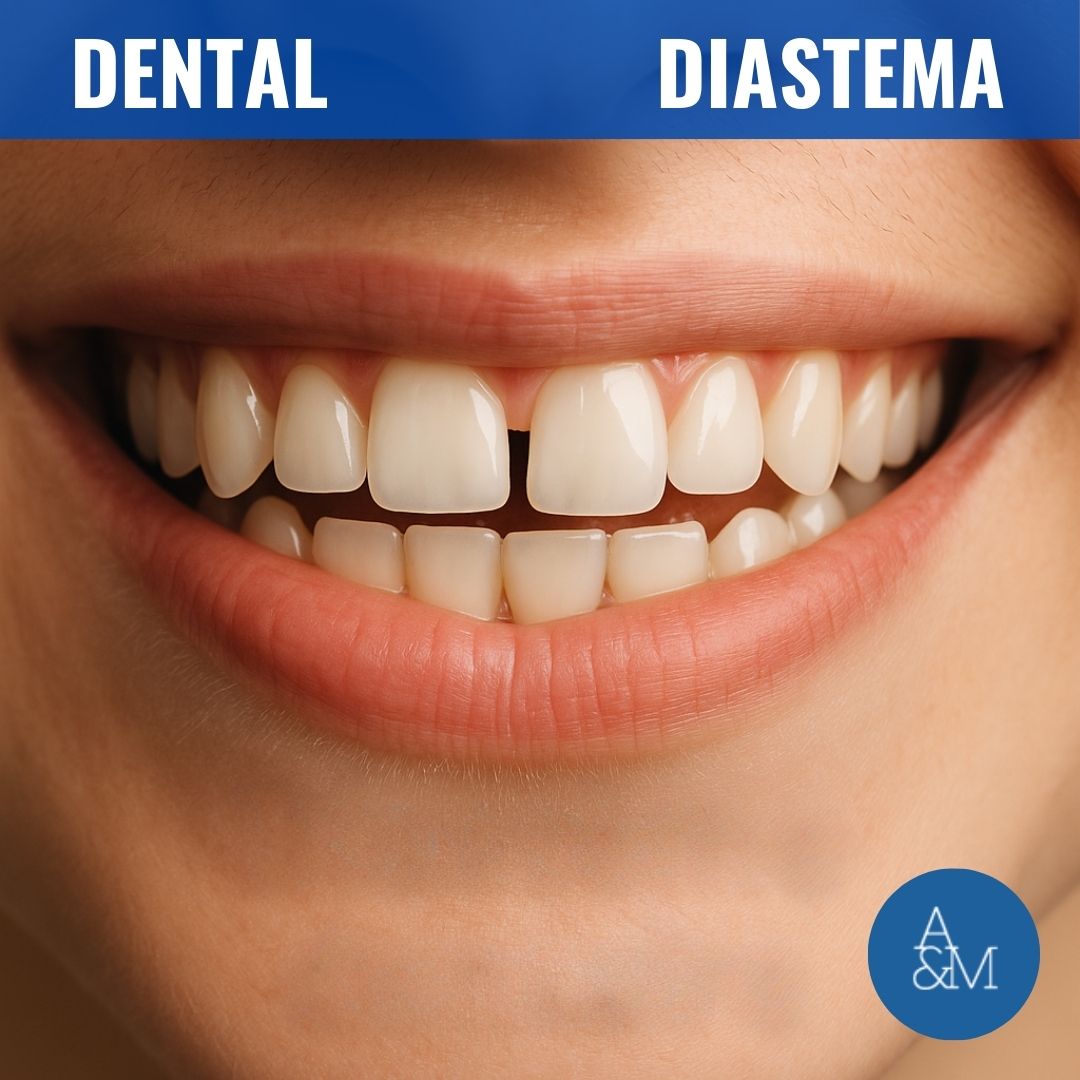
      A space between the front teeth, a jaw that seems “too big”… While some see this as a charm, others experience discomfort or phonetic issues.

      Gentle but effective solution:

      Depending on the case, aligners or retainer wires can correct these spaces. You can also complete the whole thing with a touch of cosmetic dentistry, in collaboration with your dentist, for a natural and harmonious smile.

      What sets us apart at Archambault & Morton

      • We take the time to properly assess your situation.
      • We rely on human relationship and trust.
      • We adapt each treatment to your daily reality.
      • We collaborate with a network of professionals for a complete follow-up.

      In short, you are not just another case. You are a person, with a story, a rhythm, a goal.

      How about we talk about it?

      Every smile has its story. Maybe you’ve learned to live with these little discomforts a long time ago. Maybe you didn’t even know they were related to orthodontics.

      But what if… Was there a simple, accessible, and personalized solution?

      At Archambault & Morton, we’re here to talk about it. Without pressure. Just you, we… and a future with more comfort, confidence, and true smiles.

      Dentists + Orthodontist Archambault and Morton

      Other articles

      Dental Diastema: Causes and Treatments

      Dental Diastema: Causes and Treatments

      What is a dental diastema? Do you have a small gap between your two front teeth? Have you ever wondered if this is something to be corrected, or on the contrary, a character trait to keep? The dental diastema, this gap that divides as much as it fascinates, deserves a...

      Dental Aligners (Price  Everything You Need to Know)

      Dental Aligners (Price Everything You Need to Know)

      Dental aligners: prices, options and advice to make a good choice Have you ever found yourself smiling in front of your mirror and telling yourself that a small adjustment would make all the difference? You're not alone. Every year, thousands of people dream of...

      Palatine expanders: what are they used for and when to use them?

      Palatine expanders: what are they used for and when to use them?

      Palatine expanders: what are they used for and when to use them?

      A small device… for big changes!

      In orthodontics, some treatments begin with a step that is often unknown… but nevertheless essential: palatal expansion. The device used? The Palatine Expander. Discreet, but frighteningly effective, this small device can transform a smile into a soft one.

      At Amortho, we like to make orthodontics more accessible, by simply explaining what happens behind each appliance. So, what is a palatal expander used for? And in what cases is it used?


      WHAT IS A PALATAL EXPANDER?

      The palatal expander is an orthodontic appliance that is installed on the palate, often attached to the molars. His mission? Gradually widen the upper jaw.

      It is activated with a small key, according to a precise protocol given by the orthodontist. The movement is very gentle, but as the days go by, it helps create more space in the mouth.

      Why use it? To correct a lack of space, prevent or treat crowded teeth, or to improve occlusion (the way the upper and lower teeth fit together). This is often a first step before a more complete treatment with braces or other devices.


      smile with confidence at Archambault Morton orthodontist for adults

      Why enlarge the palate?

      In some children, the palate is too narrow. As a result, teeth can grow crooked, lack space, or lead to a crossbite (when the upper teeth bite into the inside of the lower ones).

      Palatal expansion corrects this imbalance by changing the width of the palate while the bones are still malleable. We therefore often act before adolescence, in a period when development is still very active.


      At what age do you use a palatal expander?

      In general, palatal expansion is recommended between the ages of 7 and 12, before the closure of the bony sutures of the palate. That’s why a first orthodontic appointment is often suggested around the age of 7 — even if no treatment is started right away.

      That said, every child is unique! The orthodontist assesses the situation with X-rays, 3D scans and a detailed clinical examination.

      Is it painful?

      The expansion can cause slight discomfort in the first few days: feeling of pressure in the nose, palate or between the teeth. But it’s the feeling is usually painless and quick to fade.

      After a few activations, the device quickly becomes a daily companion, and young patients adapt to it very well. Promised!


      And after the expansion?

      Once the desired enlargement has been achieved, the device often remains in place for a few months to stabilize the results. Afterwards, the orthodontist will be able to plan the rest of the treatment (braces, aligners, etc.) with a well-prepared jaw.

      It’s a bit like creating the foundation before building the house: a solid foundation allows for a more stable result… and a lasting smile!

      Other articles

      Dental Diastema: Causes and Treatments

      Dental Diastema: Causes and Treatments

      What is a dental diastema? Do you have a small gap between your two front teeth? Have you ever wondered if this is something to be corrected, or on the contrary, a character trait to keep? The dental diastema, this gap that divides as much as it fascinates, deserves a...

      Dental Aligners (Price  Everything You Need to Know)

      Dental Aligners (Price Everything You Need to Know)

      Dental aligners: prices, options and advice to make a good choice Have you ever found yourself smiling in front of your mirror and telling yourself that a small adjustment would make all the difference? You're not alone. Every year, thousands of people dream of...